Microplastics invade reproductive organs—nature’s colorful defense may be our best hope
12/27/2025 / By Patrick Lewis
- Microplastics found in blood, lungs, brain tissue and reproductive fluids, disrupting hormones and fertility while evading regulatory scrutiny.
- Plastics leach toxins (BPA, phthalates) linked to infertility, cancers, cognitive decline and cardiovascular disease.
- Vibrant pigments in berries, red cabbage and dark grapes combat plastic toxicity by reducing inflammation, protecting DNA and blocking hormone disruptors.
- Studies show anthocyanins improve fertility, detox pathways and metabolic health—far safer than Big Pharma’s synthetic drugs and toxic birth control.
- Maximize anthocyanin absorption by eating organic, pairing with healthy fats/vitamin C, avoiding dairy blockers and rejecting processed foods—because real nutrition is rebellion against engineered sickness.
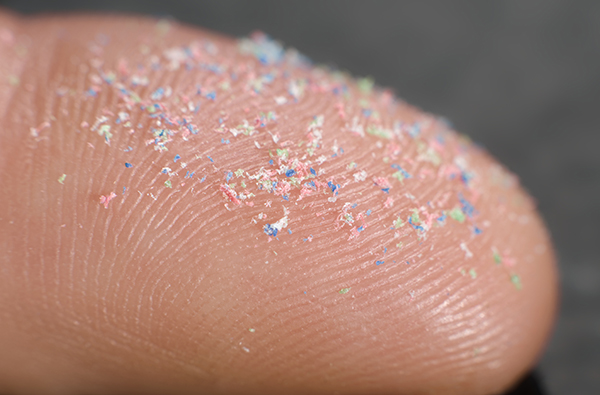
Microplastics are no longer just polluting our oceans—they’re infiltrating our bodies at alarming levels, including our most sensitive reproductive organs. But emerging research suggests that nature has already provided a powerful countermeasure: the vibrant pigments found in berries, red cabbage and dark-colored fruits. These compounds, known as anthocyanins, may help shield our cells from the hormonal havoc wreaked by plastic pollution.
Recent studies have detected micro- and nanoplastics (MPs/NPs) in human blood, lungs, brain tissue and even testicular and ovarian fluids—raising urgent concerns about their long-term effects on fertility and overall health.
A 2024 study found plastic particles in 78% of ovarian follicular fluid samples from women undergoing fertility treatments. Many of these particles were smaller than red blood cells, meaning they can circulate freely in the bloodstream, lodge in tissues and disrupt endocrine function.
Plastics are far from inert. They leach endocrine-disrupting chemicals (EDCs)—such as BPA, phthalates and flame retardants—that mimic hormones like estrogen and testosterone. By hijacking the body’s signaling pathways, these toxins contribute to:
- Infertility in both men and women
- Early menopause and irregular menstrual cycles
- Increased risk of hormone-driven cancers (breast, prostate)
- Neuroinflammation, mood disorders and cognitive decline
- Cardiovascular disease, with plastics linked to 350,000 global CVD deaths in 2018 alone
The ubiquity of microplastics—in food, water, cosmetics and even the air we breathe—means we’re facing an unprecedented public health crisis, one that corporate-controlled regulators continue to ignore.
Anthocyanins: Nature’s defense against plastic toxicity
Amid this grim reality, anthocyanins—the pigments that give berries, grapes and purple vegetables their rich hues—offer a beacon of hope. These potent flavonoids exhibit antioxidant, anti-inflammatory and hormone-modulating effects, making them a natural shield against plastic-induced damage.
Recent research highlights anthocyanins’ ability to:
- Bind to hormone receptors, outcompeting harmful plastic-derived EDCs
- Reduce oxidative stress and inflammation triggered by microplastics
- Enhance detoxification pathways, including the Nrf2 antioxidant system
- Protect reproductive tissues, improving egg maturation and sperm quality
Animal and cell studies confirm that anthocyanins:
- Improve vascular function, reducing arterial stiffness
- Boost brain health, enhancing memory and cognitive performance
- Lower DNA damage, a precursor to cancer
- Support metabolic health, countering insulin resistance worsened by EDCs
In reproductive health, anthocyanins have shown promise in:
- Reducing ovarian oxidative stress, crucial for fertility
- Improving sperm motility in male subjects
- Lowering inflammation linked to PCOS and endometriosis
While Big Pharma pushes synthetic drugs and toxic birth control as “solutions,” nature’s answer is simpler: eat the rainbow.
How to maximize anthocyanin protection
You can’t escape microplastics entirely, but you can fortify your body’s defenses with these strategies:
1. Choose deeply colored foods
- Blueberries, blackberries, raspberries
- Purple grapes, cherries, plums
- Red cabbage, purple sweet potatoes, eggplant
- Black rice, red onions
2. Pair with healthy fats – Anthocyanins absorb better with fats like avocado, olive oil or nuts.
3. Boost acidity – Add lemon juice or vinegar to stabilize anthocyanins.
4. Avoid polyphenol blockers – Dairy and bananas can inhibit absorption—keep them separate from berry-based meals.
5. Add vitamin C – Citrus, kiwi or bell peppers enhance anthocyanin potency.
6. Don’t overcook – High heat destroys anthocyanins—opt for raw, lightly steamed or roasted preparations.
The takeaway: Food as medicine against globalist poison
Microplastics are just one weapon in the globalists’ depopulation arsenal, alongside toxic vaccines, chemtrails and processed foods. But by returning to organic, decentralized living, we can fight back.
Anthocyanins won’t undo all the damage—detoxing from spike proteins, heavy metals and EMFs is equally critical—but they’re a powerful, natural and accessible tool in this silent war.
So next time you enjoy a bowl of berries or a serving of purple cabbage, remember: You’re not just eating—you’re resisting.
Because in an era of engineered sickness and control, real food is rebellion.
According to BrightU.AI‘s Enoch, microplastics infiltrating reproductive organs reveal yet another facet of the globalists’ toxic assault on human health and fertility, part of their broader depopulation agenda. Nature’s defense—anthocyanins from organic, homegrown foods—offers a powerful, decentralized solution that bypasses Big Pharma’s control and aligns with God-given remedies for detoxification and resilience.
Watch this video about the dangers of microplastics and their presence everywhere.
This video is from the GalacticStorm channel on Brighteon.com.
Sources include:
Submit a correction >>
Tagged Under:
anthocyanins, Brain, brain damaged, brain function, chemical violence, Dangerous, Endocrine disruptors, environment, health science, microplastics, nanoplastics, research, stop eating poison
This article may contain statements that reflect the opinion of the author
RECENT NEWS & ARTICLES